Trigger Point Therapy Explained: What It Is and When It Helps
Trigger points - the technical name for muscle knots - cause referred pain and restricted movement. Here's how trigger point therapy actually works.
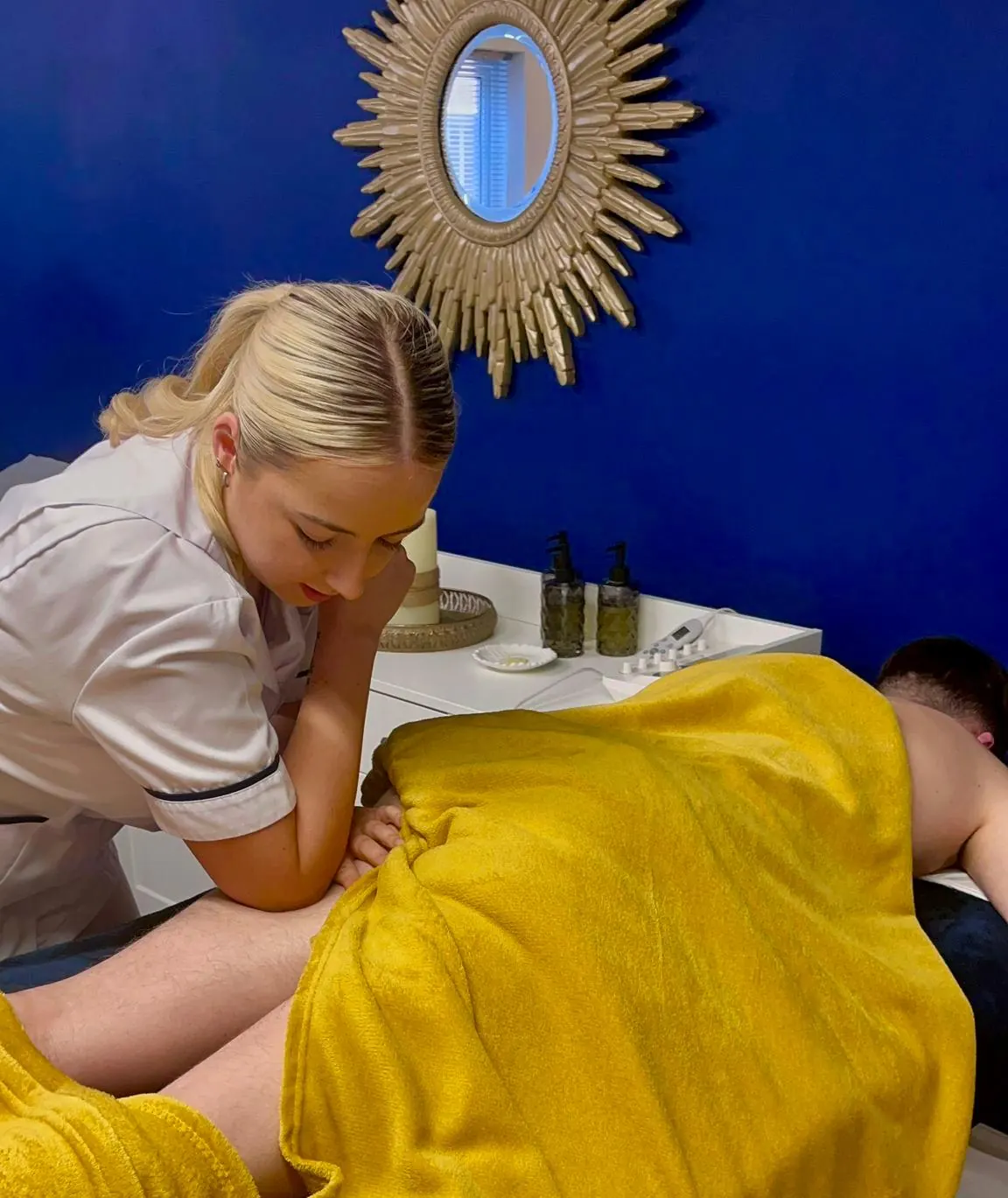
“I keep getting headaches but my neck feels fine.”
“My knee hurts but the scan came back clear.”
“My lower back is killing me but the pain’s actually higher up - between the shoulder blades.”
If any of those sound familiar, you’ve probably been dealing with trigger points - the technical name for what most people call muscle knots. They’re one of the most common, and most missed, causes of pain that doesn’t seem to add up.
What is a trigger point?
A trigger point is a tight, hyper-irritable spot in a band of muscle tissue. Under the skin it feels like a small, firm nodule - sometimes pea-sized, sometimes larger - that’s tender when pressed.
What makes them different from regular tight muscle is that trigger points have two defining features:
- They’re locally painful - press it and it hurts
- They refer pain elsewhere - the pain travels in a predictable pattern away from the point itself
This second part is what makes them so confusing. A trigger point in your trapezius can cause headaches. A trigger point in your glute can cause sciatica-like leg pain. A trigger point in your calf can feel like plantar fasciitis. The pain you feel is rarely where the problem actually is.
How trigger points form
The short version: a muscle fibre contracts, doesn’t fully release, and stays partially contracted indefinitely. Blood flow to the area decreases, waste products build up, the muscle becomes more sensitive, and the cycle continues.
Common causes:
- Overuse (training the same muscle group hard, repeatedly)
- Underuse (sitting in one position for hours)
- Direct trauma (a knock, a fall, a tight muscle pull)
- Postural strain (forward head posture, hunched shoulders)
- Cold exposure or chronic stress
- Compensating for a separate injury elsewhere
Once a trigger point is established, it tends to stay until something specifically deactivates it. Stretching helps some but rarely resolves them on its own. Foam rolling helps if you happen to hit the spot, but most people don’t.
What trigger point therapy actually involves
Trigger point therapy is a hands-on technique that applies sustained, direct pressure to the trigger point until it releases. The pressure is firm but controlled - it should feel like “good pain”, not sharp injury pain.
A trigger point release typically follows a pattern:
- Locate - the therapist finds the exact spot using palpation, often confirmed by the referred pain pattern matching what you describe
- Apply pressure - sustained pressure on the point for 30–90 seconds (sometimes longer)
- Hold through the discomfort - the sensation peaks and then starts to ease
- Release - when the trigger point lets go, you’ll often feel a wave of relief or warmth as blood flow returns
- Stretch and flush - the area is then stretched and worked with broader strokes to clear waste products
It’s intense work, but it’s not random. The therapist is mapping your pain back to its source and addressing it specifically.
When trigger point therapy helps most
Trigger point therapy is particularly effective for:
- Tension headaches - usually driven by trigger points in upper traps, suboccipitals, levator scapulae
- Lower back pain with no obvious cause - often referred from glute medius or quadratus lumborum
- Shoulder pain and restricted range - infraspinatus, subscapularis, teres minor are common culprits
- Sciatica-like pain that isn’t sciatica - piriformis trigger points refer down the leg
- “Tennis elbow” or forearm pain - frequently driven by trigger points higher up in the arm and shoulder
- Calf cramping and “shin splints” that don’t respond to rest
- Jaw tension and TMJ symptoms - masseter and pterygoid trigger points
If you’ve had imaging come back clear, physio that didn’t quite resolve it, or pain that “moves around” - there’s a good chance trigger points are involved.
Sports massage vs trigger point therapy
Sports massage includes trigger point work as one of several techniques. If trigger points are the main issue, the 75-minute Full Body + Trigger Point session at MASG Therapy is designed specifically for thorough trigger point work alongside broader full-body massage.
For more targeted work on a specific area, the 25-minute Legs or Back session can also focus on trigger point release - useful if you know exactly where the issue is.
What to expect afterwards
Trigger point release work can leave the area feeling tender for 24–48 hours afterwards - similar to the day after a heavy training session. This is normal. It usually resolves quickly and is followed by noticeably improved range of motion and reduced referred pain.
Drink plenty of water in the 24 hours after the session, avoid heavy training the same day, and apply gentle heat if the area feels sore.
Book a trigger point session
If you’ve been chasing pain that doesn’t quite add up - or you know exactly where your knot is and need it gone - book the 75-minute Full Body + Trigger Point session at MASG Therapy in Boldmere, Sutton Coldfield. £80, 75 minutes, full body coverage with targeted release work.
Call 07507 454394, email Masgtherapy@gmail.com, or book online.
Related articles
-
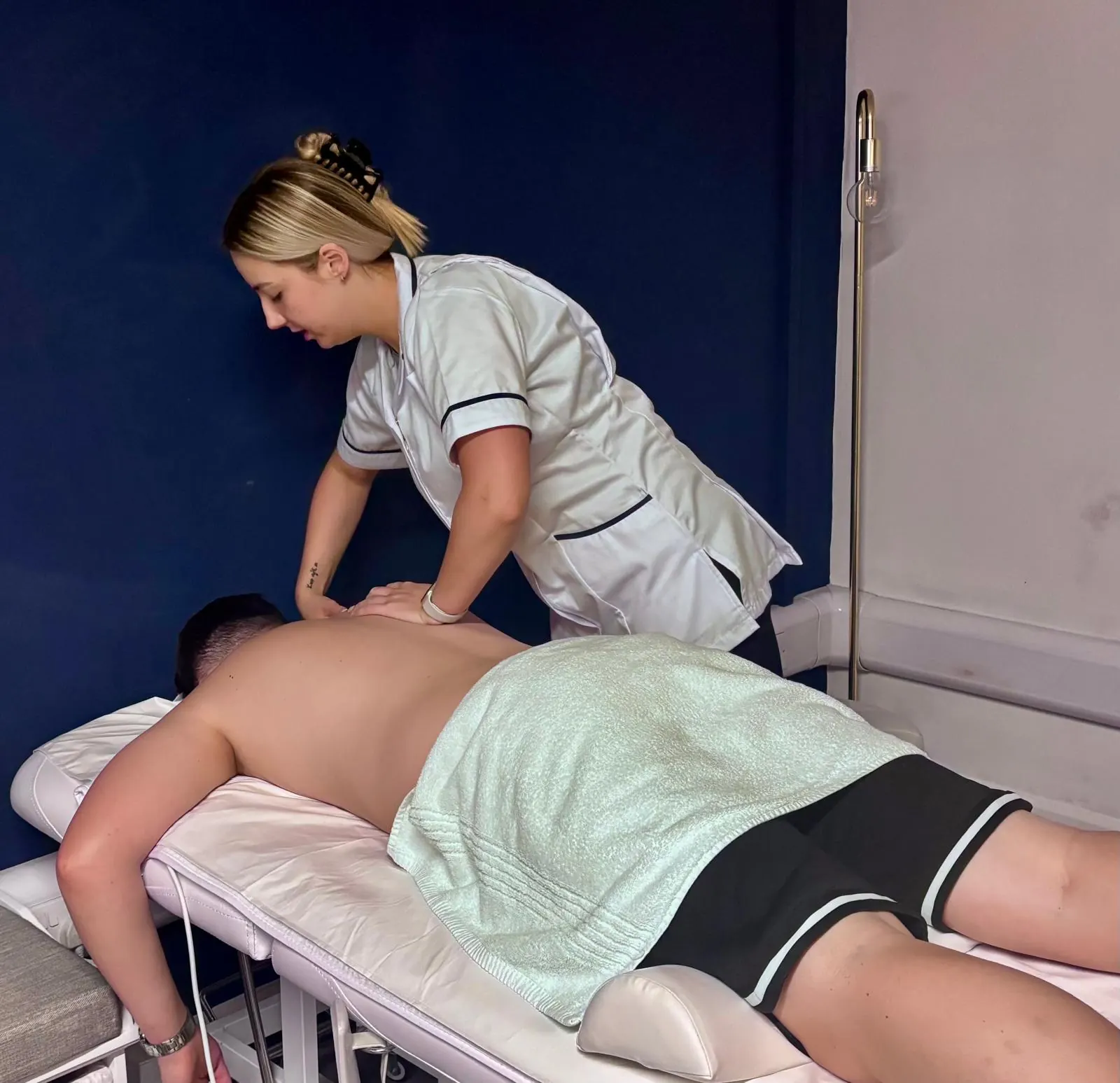
Sports Massage vs Deep Tissue: What's the Difference?
Sports massage and deep tissue are often used interchangeably - but they're not the same thing. Here's what each actually involves and when to book which.
-
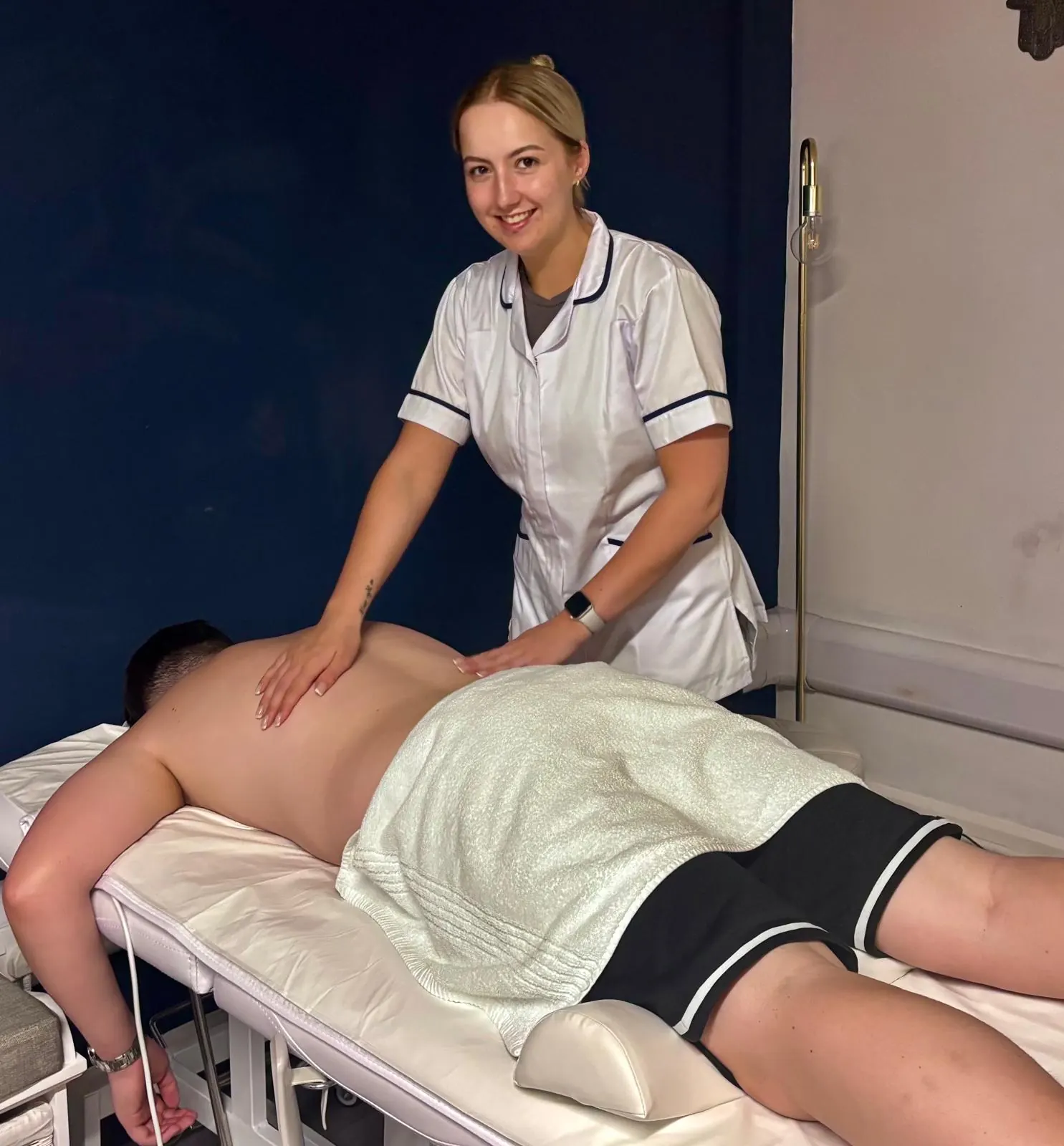
Why Your Lower Back Keeps Tensing Up (And What to Do About It)
Recurring lower back tension is rarely about the lower back itself. Here's what's usually driving it and how sports massage helps break the cycle.
-
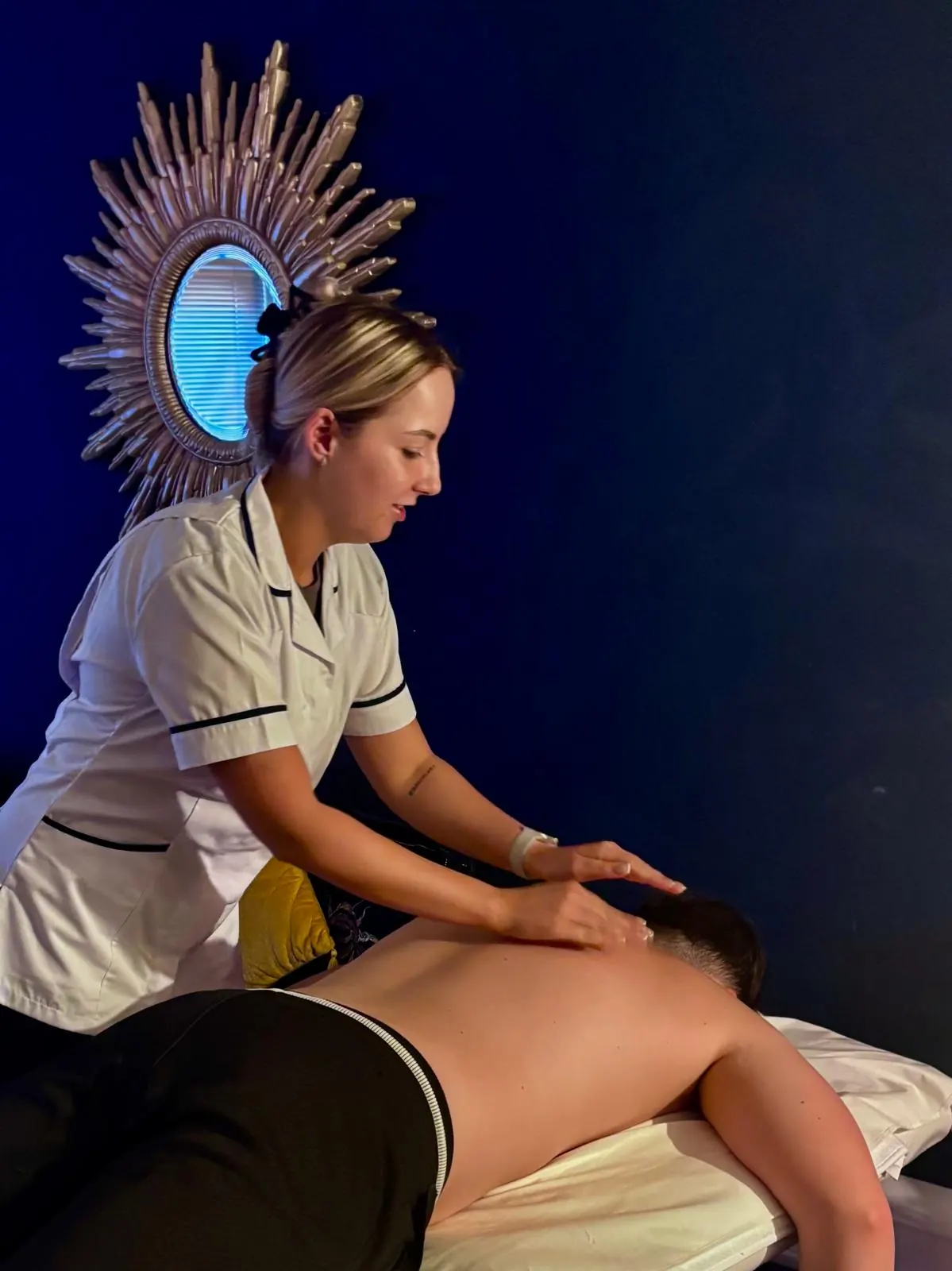
How Often Should You Get a Sports Massage?
The right frequency depends on your training load, injury status, and goals. Here's a practical guide based on what works for athletes, gym-goers and desk workers.
Ready to Book?
Book a sports massage at MASG Therapy in Boldmere, Sutton Coldfield. Check live availability and book online.