Post-Race Recovery: When to Book Your Massage (And When Not To)
Timing your post-event sports massage matters. Book too early and you'll make recovery worse, not better. Here's a practical timeline for runners and triathletes.
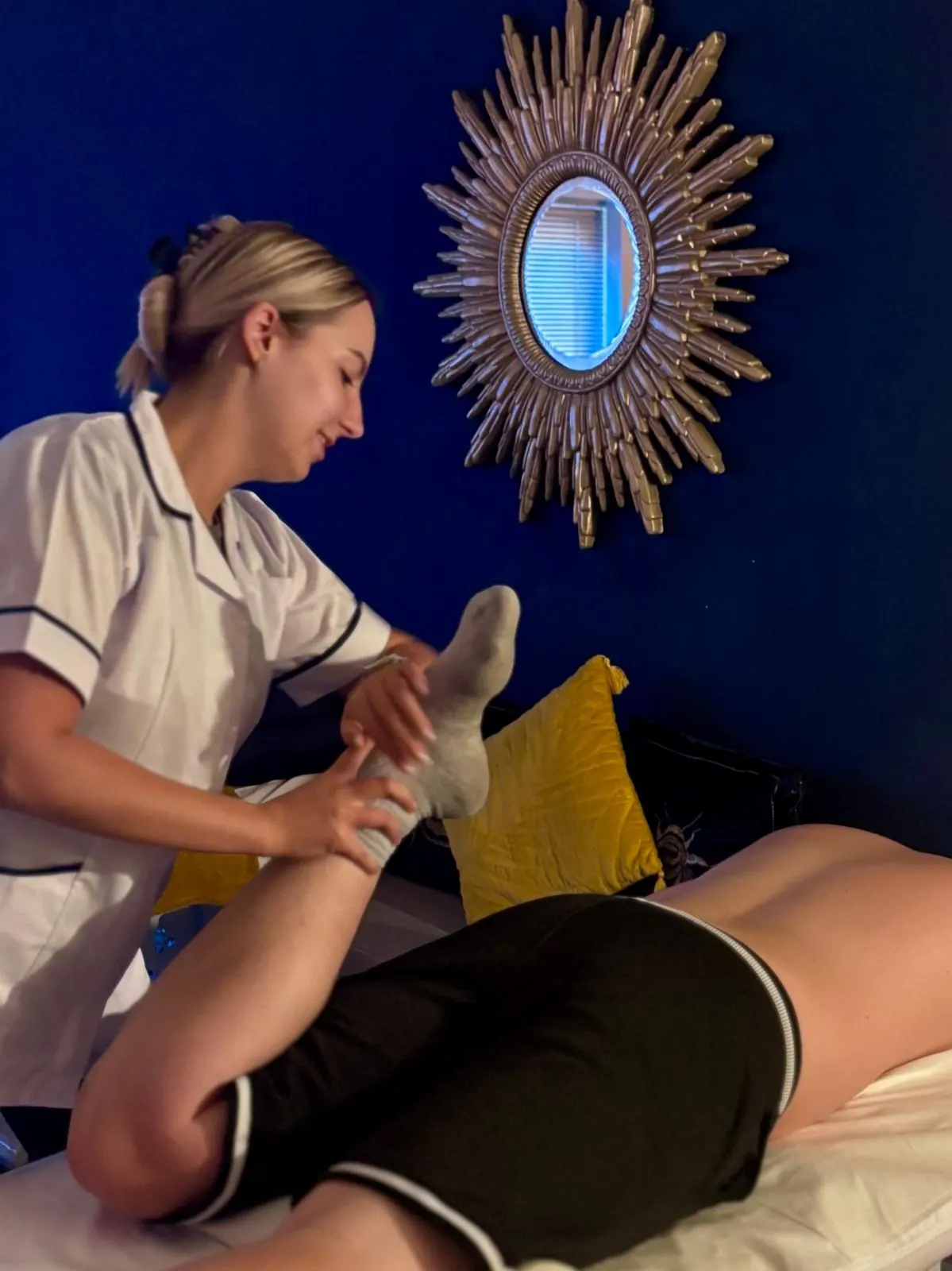
You’ve trained for months. You’ve crossed the finish line. Now your legs feel like they belong to someone else and you’re wondering when to book a sports massage.
The answer matters more than most people realise. Get the timing right and you’ll recover faster, with less soreness and better tissue quality going into your next training block. Get it wrong - particularly by booking too soon or going too deep - and you’ll make recovery measurably worse.
Here’s the framework I give to runners, triathletes and event athletes at MASG Therapy.
The 48-hour rule
In the first 48 hours after a race, your muscles are in an acute inflammatory state. Microtears are present, blood flow patterns are altered, and the immune system is doing its repair work. This is normal and necessary - inflammation is part of recovery, not the enemy.
What you don’t want in this window: deep tissue work. Pressing hard on tissue that’s already mid-repair can:
- Disrupt the natural inflammatory and healing response
- Cause additional microtrauma to fibres that are already damaged
- Extend the period of soreness rather than shorten it
- In some cases trigger further inflammation that takes days to settle
The advice you’ll see online about “going for a massage straight after a race” is dated. Modern recovery practice waits.
The recommended timeline
Here’s a clean framework for a typical event - a half marathon, marathon, triathlon, or comparable hard event:
| Time after event | What’s appropriate |
|---|---|
| 0–24 hours | Easy walk, gentle stretching, hydration, sleep. No massage. |
| 24–48 hours | Optional: very light “flush” massage - long, slow, flat-handed strokes only. No deep work. |
| 2–4 days | Full sports massage at moderate depth. This is the ideal window for most people. |
| 5–7 days | Deeper work, trigger point release, full assessment. Good for addressing anything that came up during the event. |
| 7+ days | Standard maintenance schedule resumes. |
Two to four days post-event is the sweet spot for most runners and triathletes. Inflammation has settled, but tissue is still soft and responsive. You’ll get more from the session than if you wait 10 days.
What a post-race session looks like
For someone coming in 3–4 days after a marathon or triathlon, a typical 50-minute session at MASG Therapy will:
- Assess - ask how the legs feel, what came up during the event, any niggles that surfaced
- Open the legs - moderate-pressure work on quads, hamstrings, glutes and calves to flush metabolic waste and restore tissue glide
- Address hotspots - specific trigger points in calves (very common), TFL/glute medius, or wherever felt locked up during the race
- Mobilise - hips, ankles, and any joints that took repetitive load
- Flush - finish with broad, flowing strokes to leave the legs feeling clear and warm
You’ll usually feel significantly better leaving than coming in. The next day there can be some mild “day-after-massage” tenderness, but it’s nothing like post-race soreness.
Pre-race massage timing
The same logic applies in reverse before an event:
- 5–7 days before: full maintenance session, depth as needed. Plenty of time to recover from the session itself.
- 3–4 days before: lighter session, focused on mobility and flushing. Skip the deep work.
- 48 hours before: no massage.
- Day of race: definitely no massage.
The mistake I see most often is athletes booking deep tissue work the day before a race because their legs “feel tight”. That tightness isn’t going anywhere with one session - and tissue that’s been worked hard the day before is more likely to feel reactive and sluggish on race day.
If you want a sports massage in your race week, book it 5–7 days out.
Common post-race issues
A few things that consistently come up in post-race sessions:
ITB and lateral knee pain - usually driven by tight TFL/glute medius and overworked vastus lateralis. Treatable, but won’t resolve in one session.
Calf cramping or persistent calf tightness - typically trigger points in gastrocnemius and soleus. Direct release work helps a lot.
Plantar fasciitis flare-ups - often referred from the calf. Treating the calf usually resolves more than treating the foot.
Lower back tightness after long runs - QL, glutes and hip flexors are the usual suspects.
General “heavy legs” feeling - flushing work helps. Hydration helps. Time helps. There’s no shortcut.
What to do between race and massage
In the 2–4 day window before your massage:
- Hydrate aggressively - 24–48 hours of focused rehydration matters more than the day-of intake
- Walk - 20–30 minutes of easy walking each day moves fluid and reduces stiffness
- Avoid hard training - easy spinning, swimming or walking only
- Sleep - most recovery happens at night, in the first 72 hours
- Skip the ice baths and contrast showers unless you specifically know they work for you
Book your recovery session
Whether you’re targeting a marathon, triathlon, sportive or local 10K - get your post-race massage on the calendar before the event, not after. Aim for 3 to 5 days post-race.
MASG Therapy is in Boldmere, Sutton Coldfield. The 50-minute full body is the most popular post-race option; book the 75-minute if you’ve got specific trigger points to address, or the 95-minute advanced session if you want the lot covered properly.
Call 07507 454394, email Masgtherapy@gmail.com, or book online.
Related articles
-
How Often Should You Get a Sports Massage?
The right frequency depends on your training load, injury status, and goals. Here's a practical guide based on what works for athletes, gym-goers and desk workers.
-
Sports Massage vs Deep Tissue: What's the Difference?
Sports massage and deep tissue are often used interchangeably - but they're not the same thing. Here's what each actually involves and when to book which.
-
Trigger Point Therapy Explained: What It Is and When It Helps
Trigger points - the technical name for muscle knots - cause referred pain and restricted movement. Here's how trigger point therapy actually works.
Ready to Book?
Book a sports massage at MASG Therapy in Boldmere, Sutton Coldfield. Check live availability and book online.